
Nicotine strength is one of the most important and most overlooked choices when picking a vape. The number on the package is doing a lot of work, and getting it wrong is the most common reason a first device is an unpleasant experience.
Key takeaways
- Strength is shown either as a percentage or in milligrams per millilitre — they describe the same thing.
- Nicotine salts feel smoother, which makes it easy to consume more than you intend.
- If you are unsure, start lower. Adjusting up is easy; unwinding a dependence is not.
Percentages and milligrams
Strength is usually shown as a percentage or in milligrams per millilitre, and the two are directly related — 5% is 50 mg/mL, 3% is 30 mg/mL, and so on. The percentage is simply the concentration expressed differently, so you can compare products labelled either way once you know the conversion.
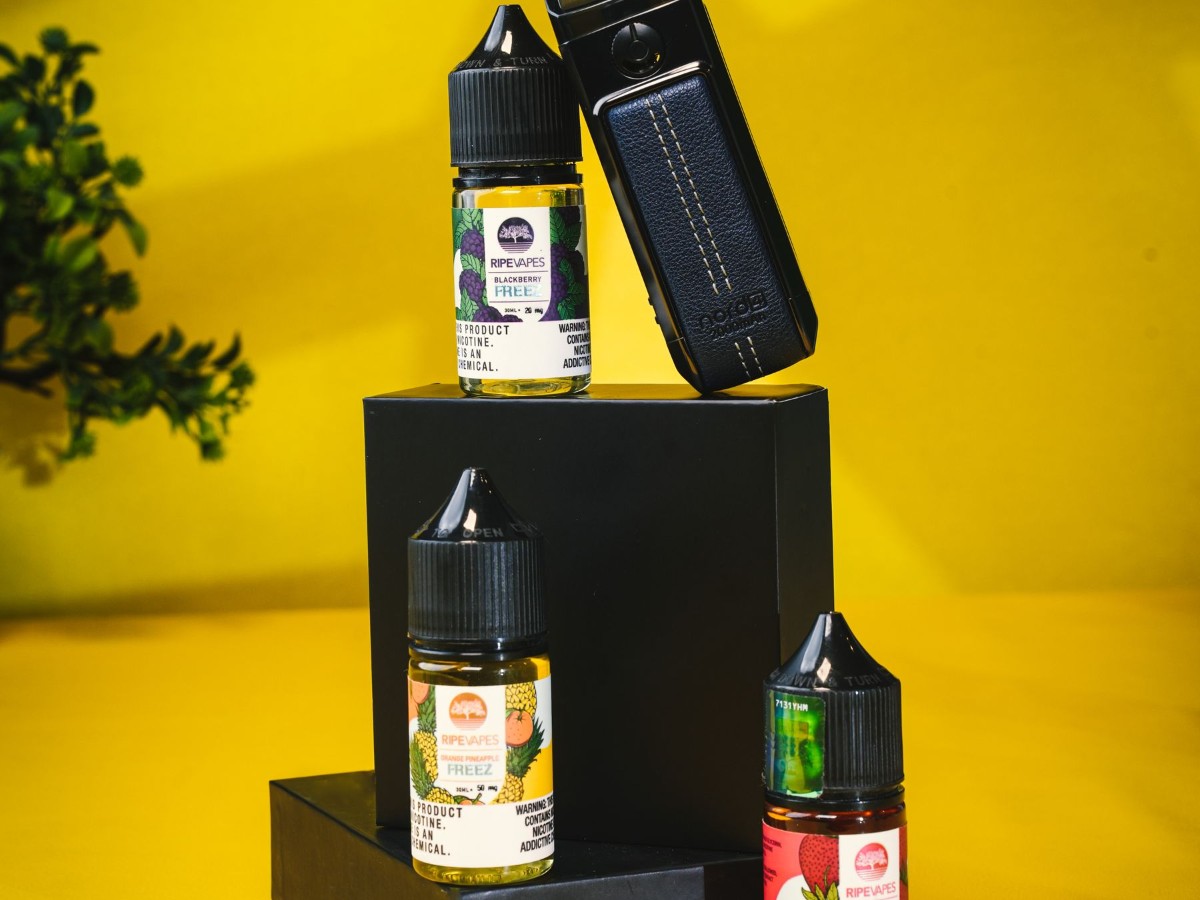
Most modern disposables use nicotine salts rather than freebase nicotine. Salts feel noticeably smoother at the same concentration, which is why disposables can carry strengths that would be harsh in an older device. That smoothness is exactly what makes it easy to consume more than you intend.
Choosing a level
Lighter or occasional users generally suit lower strengths; heavier former-smokers often choose higher ones. Your own consumption pattern matters more than any chart, because a high-strength device used sparingly and a low-strength device used constantly can deliver similar totals.
If you are unsure, start lower — you can adjust upward, but a dependence that builds quickly is harder to reverse.
Signs you have chosen too high
- Lightheadedness, nausea or a headache after a few puffs
- A harsh, scratchy sensation at the back of the throat
- Reaching for the device far more often than you intended
Any of these is a reason to step down a level rather than push through.
The bottom line
Understand the number, respect what nicotine salts do to your perception of it, and err on the low side when in doubt.
Nicotine is addictive. Vaping is for adults 21+ and is not an approved cessation aid. Speak with a healthcare professional about quitting.
Related reading: choosing your first disposable · disposable vs refillable · our hands-on device reviews.
Source: CDC on the health effects of vaping.
Search
Browse by category
PUBLISH WITH US
Have industry knowledge to share? Submit an article or list your business on Vape Guide.
